Table of Contents
Vietnam entered 2024 with a stronger economic foundation and renewed momentum across investment, manufacturing, services and domestic consumption. As the economy continued to recover, the real estate sector remained closely linked to broader business activity, responding to changing demand from occupiers, investors and consumers.
From office and industrial properties to retail and flexible workspace, 2024 highlighted several structural shifts in Vietnam’s real estate market. Rising demand for quality space, continued foreign investment, expanding manufacturing activity and evolving workplace requirements are reshaping how businesses evaluate real estate across the country.
Vietnam’s Economy Regains Momentum
Vietnam’s economy recorded a stronger-than-expected recovery in 2024. According to the General Statistics Office, GDP grew by 7.09% year on year, while the services sector expanded by 7.38%. Industry and construction also recorded strong growth of 8.24%, reflecting the broader recovery in production and business activity.
Foreign investment remained an important driver of this recovery. Total registered foreign investment reached approximately US$38.23 billion in 2024, while realized FDI reached US$25.35 billion, an increase of 9.4% from the previous year and the highest level since 2020. Manufacturing and processing continued to account for the largest share of registered FDI, reinforcing Vietnam’s position within regional manufacturing and supply-chain networks.
Infrastructure investment and the continued expansion of manufacturing, services and technology-related industries are also creating new requirements for commercial real estate. As businesses expand their operations, demand is increasingly shifting toward well-connected, high-quality and operationally efficient properties.
How Is Vietnam’s Real Estate Market Changing?
The improving economic environment has created opportunities across Vietnam’s major real estate sectors. While individual markets continue to experience different supply-and-demand dynamics, several trends stood out in 2024.
1. Office Market: Greater Choice and More Flexible Leasing Conditions
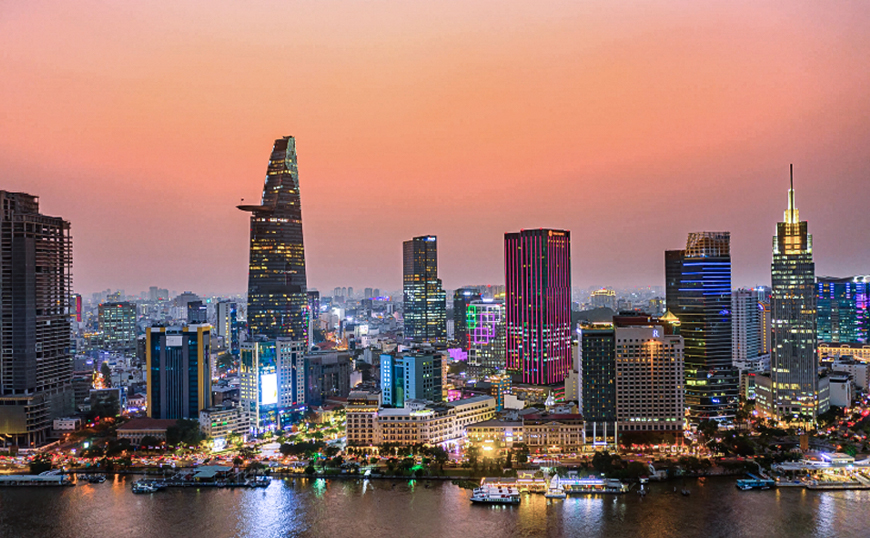
Ho Chi Minh City’s office market continued to evolve as new projects added significant supply across the city. The expansion of Grade A and Grade B inventory gave occupiers more options, while increasing vacancy in some submarkets strengthened tenants’ ability to evaluate locations, specifications and commercial terms more carefully.
At the same time, demand for high-quality office space remained supported by business expansion, multinational companies and organizations seeking modern workplaces that can accommodate changing employee expectations.
The market is therefore becoming increasingly segmented. Prime Grade A buildings with strong locations, high-quality specifications and professional building management continue to differentiate themselves, while landlords in more competitive submarkets face greater pressure to offer flexible leasing solutions.
For occupiers, this creates an opportunity to reassess their workplace strategy and negotiate space based not only on rental costs, but also on connectivity, building quality, amenities and long-term operational value.
2. Industrial Real Estate: Manufacturing Continues to Drive Demand
Vietnam’s industrial real estate sector remained one of the country’s key growth engines in 2024.
The continued expansion of manufacturing and foreign-invested enterprises has supported demand for factories, warehouses and industrial land, particularly across the Northern and Southern Economic Zones.
Northern Vietnam has benefited from its proximity to major manufacturing clusters and supply-chain networks, while the Southern Economic Zone remains an important base for manufacturing, logistics and distribution activities serving Ho Chi Minh City and the wider southern region.
The increasing demand for ready-built factories and warehouses also reflects a broader shift in occupier priorities. Businesses are increasingly looking for facilities that allow them to enter the market quickly, scale operations efficiently and meet increasingly sophisticated technical and sustainability requirements.
As Vietnam becomes more deeply integrated into regional supply chains, industrial real estate is expected to remain closely tied to manufacturing investment and logistics expansion.
3. Retail Real Estate: Consumer Demand Supports Market Stability
Vietnam’s retail property market maintained relatively stable conditions in 2024, supported by improving consumer activity and continued expansion from both international and domestic brands.
New retail developments and renovations of existing shopping centres are increasing competition for consumers, with landlords placing greater emphasis on tenant mix, experiential retail and overall customer experience.
International brands including Uniqlo, MUJI and Starbucks continued to expand their presence, while domestic operators also strengthened their networks. This combination is contributing to a more competitive retail environment in which shopping centres increasingly need to offer more than conventional retail space.
Looking ahead, new retail developments planned across major cities are expected to expand the market further, creating opportunities for retailers while also increasing competition among existing properties.
4. Flexible Workspace: The Workplace Is Becoming More Adaptable
One of the most notable changes in commercial real estate is the growing role of flexible workspace.
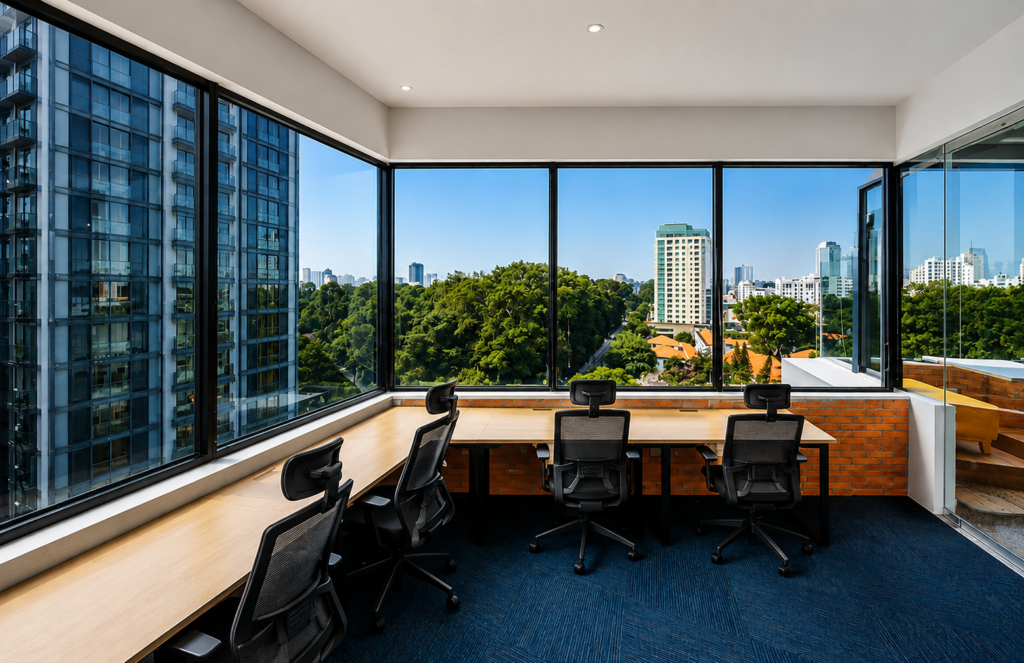
Co-working spaces, serviced offices and flexible workplace solutions are becoming increasingly relevant to companies looking for greater flexibility in their real estate commitments. Instead of committing to a conventional long-term lease for a fixed amount of space, businesses can increasingly adjust their workspace according to headcount, project requirements and business growth.
Ho Chi Minh City remains one of Vietnam’s key markets for co-working and serviced offices, followed by Hanoi, while other destinations such as Da Nang are also developing their flexible workspace ecosystems.
This trend is particularly relevant for startups, SMEs, project teams, freelancers and international companies entering the Vietnamese market. For these occupiers, flexibility can reduce upfront commitments while providing access to professional workplace infrastructure.
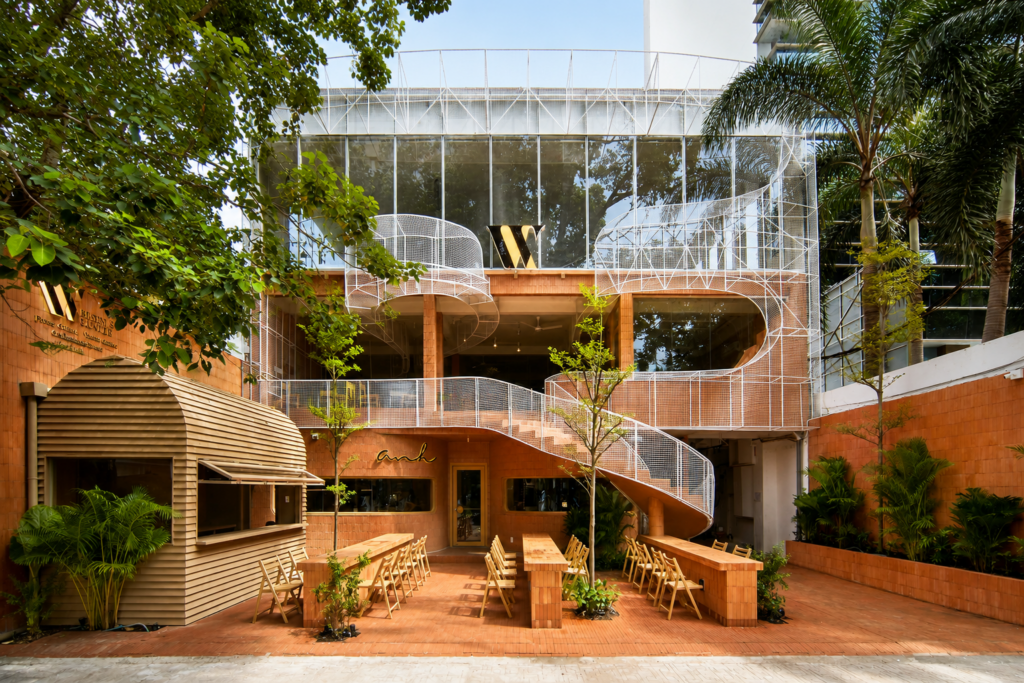
Providers such as W Business Center are positioned within this evolving market by offering workspace solutions that can adapt to different business requirements, from private offices and dedicated desks to meeting rooms and virtual office services.
What Do These Trends Mean for Businesses?
The evolution of Vietnam’s real estate market is changing the way businesses approach property decisions.
Cost remains important, but it is increasingly only one part of the equation. Businesses are paying greater attention to location, accessibility, building quality, flexibility, employee experience and the ability of a property to support long-term growth.
For office occupiers in particular, this means that the traditional question of “How much does the space cost?” is increasingly being replaced by a broader question:
“How effectively does this space support the business?”
A well-located office can improve accessibility for employees and clients. A high-quality building can strengthen corporate positioning and workplace experience. Flexible workspace can reduce the risks associated with changing headcount. And buildings with strong sustainability and wellness credentials can increasingly support companies’ broader ESG and employee wellbeing objectives.
These considerations are contributing to a more sophisticated commercial real estate market in Vietnam.
Looking Ahead
Vietnam’s real estate sector enters the next phase of development with several structural drivers in place: economic growth, foreign investment, manufacturing expansion, infrastructure development, urbanisation and changing workplace expectations.
The market will not move uniformly across every asset class or location. Instead, opportunities will increasingly depend on the quality of individual assets, their connectivity, surrounding infrastructure and ability to respond to occupier and consumer requirements.
For businesses, this environment creates both greater choice and greater complexity. Understanding local market conditions and aligning real estate decisions with broader business objectives will therefore become increasingly important.
Vietnam’s real estate market is no longer defined simply by the amount of new supply entering the market. It is increasingly defined by **how effectively
Private offices, meeting rooms and virtual offices across three prime locations in Ho Chi Minh City. Talk to our team about the plan that fits the way you work.
Other News

LEED Gold Coworking HCMC: 5 Powerful Ways to Support ESG Goals